
Appliance Care
Washer Care
Avoid Overloading: Overstuffing your washer can lead to serious damage over time. Not only does it strain the machine's components, but it also restricts the movement of clothes, hindering proper cleaning. Follow the recommended load sizes per cubic foot to ensure optimal washing efficiency. For small loads, aim for 1 pound, and for medium loads, stick to 2 pounds.
Handle Delicate Items with Care: Be cautious when washing items filled with feathers or cotton, such as stuffed animals, comforters, and pillows. Always check the seams thoroughly before washing to prevent them from coming apart and causing damage to your washer.
Ensure Proper Balance: A balanced washer is essential for smooth operation. While using a level is one option, simply ensuring that your washer doesn't rock during operation can also indicate proper balance.
Check Pockets: Before loading clothes into the washer, always check pockets for any items that could cause damage, such as Bobby Penn's screwdrivers, nails, keys, or rings. These items can wreak havoc on your washer if they accidentally find their way inside.
Monitor Loading: When loading clothes into the washer, avoid bunching them up or pushing them to the side. This can cause clothes to get stuck behind the basket, leading to potential damage to the washer.
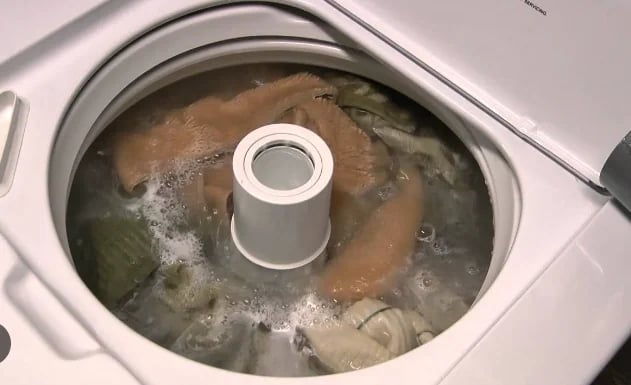
Prevent Fabric Softener Buildup: Fabric softener can accumulate over time, leading to unpleasant odors and reduced washing efficiency. To prevent buildup, it's essential to regularly clean your washer. Even if your washer doesn't have a specific "clean washer" cycle, you can still effectively clean it. Simply run an empty cycle with bleach or a suitable cleaning agent. Use hot water or the latest soak setting to ensure thorough cleaning. This not only keeps your washer fresh but also ensures your clothes come out smelling clean and free of any lingering odors caused by fabric softener buildup. Remember, once fabric softener starts to accumulate, it can be challenging to remove, leading to sour-smelling clothes.
Handle the Lid or Door Gently: When using a top-load washer, avoid letting the lid fall closed forcefully, as this can cause problems over time. For front-load washers, refrain from slamming the door shut; instead, gently push and close it until you're certain it's securely closed.
DRYER CARE
"Hey there! If you've noticed that your dryer is running but not heating up, don't worry, it's a pretty common issue. One of the first things a Technician here at Krazy Cheap would recommend is checking the electrical breaker at your home. You see, even though your dryer might be running fine, it needs a specific type of electrical power to both run and heat up properly.
Here's the deal: Dryers typically run on a 240-volt electrical circuit, which is different from the regular 120-volt outlets you use for most other appliances.
Now, your home's electrical system is set up with what's called a double-throw breaker. This means that while the dryer might be getting enough power to turn on and spin, it might not be getting the full 240 volts it needs to heat up. Instead, it might only be receiving 120 volts, which is enough to run the dryer but not enough to kick in the heating element.
So, before you panic or assume there's something majorly wrong with your dryer, take a quick peek at your electrical breaker panel. If you notice that the breaker for your dryer has tripped or isn't fully engaged, simply flip it off and then back on again. This simple reset can often restore the full power your dryer needs to heat up properly.
Now, when it comes to using your dryer, it's important to treat it gently. Slamming your dryer door shut can cause damage to various components. Instead, gently close the door and press it in to ensure it's properly closed. If you have knobs on your dryer, make sure to turn them clockwise, if that's a feature on your model. If you find that your clothes are taking longer than usual to dry and you're having to run the dryer multiple times, it's a clear indication that your dryer isn't venting properly. This issue is often caused by a blockage, either in the vent leading outside or due to a buildup of lint inside the dryer itself. Regularly cleaning out the lint filter can help prevent this problem and ensure efficient drying. If the problem persists, it's a good idea to call in a professional technician to take a closer look. They can diagnose the issue and make any necessary repairs to get your dryer back in top shape.
Happy drying!"


Dishwasher Care
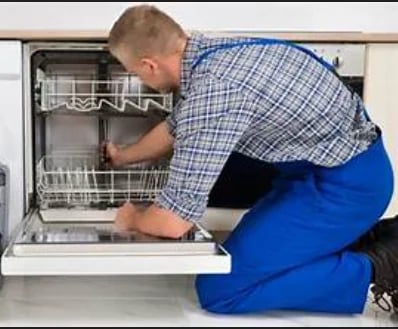
Regular Cleaning: Clean the interior of the dishwasher regularly to prevent buildup of food particles, soap scum, and mineral deposits. You can use a dishwasher cleaner or simply run an empty cycle with vinegar or baking soda to freshen it up.
Clean Filters and Drain: Check and clean the dishwasher filters and drain regularly to ensure proper drainage and to prevent clogs. Remove any food particles or debris that may have accumulated.
Inspect and Clean Spray Arms: Periodically check the spray arms for clogs or buildup. You can remove the spray arms and clean them with a brush or toothpick to ensure proper water flow.
Maintain Seals and Gaskets: Inspect the door seals and gaskets for signs of wear or damage. Clean them regularly with a mild detergent to prevent leaks and ensure a tight seal.
Use Proper Detergent: Use dishwasher detergent specifically formulated for dishwashers. Avoid using regular dish soap or detergent meant for hand washing dishes, as they can create excessive suds and lead to poor cleaning performance.
Load Dishwasher Correctly: Properly load dishes into the dishwasher according to the manufacturer's instructions. Avoid overloading or overcrowding the dishwasher, as this can interfere with water circulation and cleaning performance.
Use Hot Water: Run the dishwasher with hot water for optimal cleaning results. Hot water helps dissolve detergent and removes food residues more effectively.
Regular Maintenance Checks: Periodically check the dishwasher for any signs of leaks, unusual noises, or malfunctioning parts. Address any issues promptly to prevent further damage and ensure optimal performance.
Rinse Aid: Use a rinse aid to help improve drying performance and prevent water spots on dishes. Refill the rinse aid dispenser as needed.
Consult the Manual: Refer to the manufacturer's manual for specific care instructions and maintenance guidelines tailored to your dishwasher model.
Gas Range/Electric Stove Maintenance
Gas Range/Electric Stove Maintenance Tips
Regular Cleaning: Keep your gas range or electric stove clean by wiping it down regularly with a damp cloth or mild soapy water. Avoid using harsh chemicals or abrasive cleaners, as they can damage the surface.
Burner Maintenance: For gas ranges, ensure that the burner caps and grates are removed and cleaned periodically to prevent clogs and ensure proper gas flow. For electric stoves, clean the coil burners or glass cooktop regularly to remove food residue and spills.
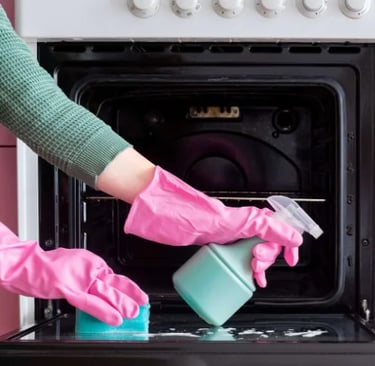
Oven Care: Clean spills and grease from the oven cavity and door gasket after each use to prevent buildup and potential fire hazards. Use a non-abrasive oven cleaner for stubborn stains, following the manufacturer's instructions carefully.
Ventilation: Ensure proper ventilation when cooking to prevent the buildup of cooking odors, grease, and smoke. Clean or replace range hood filters regularly to maintain optimal airflow and performance.
Check Seals and Gaskets: Inspect the seals and gaskets around the oven door regularly to ensure they are intact and free from damage. Damaged seals can lead to heat loss and inefficient cooking.
Test Safety Features: Test the safety features of your gas range, such as the automatic shut-off valve and flame sensors, to ensure they are functioning correctly. For electric stoves, check the power cord and plug for signs of wear or damage.
Professional Inspection: Schedule periodic maintenance inspections with a qualified technician to check for any potential issues and ensure your gas range or electric stove is operating safely and efficiently.
By following these maintenance tips, you can extend the lifespan of your gas range or electric stove and enjoy hassle-free cooking for years to come.

Refrigerator Care
Regular Cleaning: Keep your refrigerator clean by wiping down the interior and exterior surfaces regularly with a mild detergent and warm water. Pay special attention to spills and food residue, especially in the door seals and drawers.
Temperature Settings: Check and adjust the temperature settings of your refrigerator to ensure it maintains a consistent temperature between 37°F and 40°F (3°C to 4°C) for the refrigerator compartment and 0°F (-18°C) for the freezer compartment. Use a refrigerator thermometer to verify the temperatures.
Proper Organization: Organize your refrigerator to maximize airflow and efficiency. Place perishable items like dairy and meats on the lower shelves where it's cooler, and store fruits and vegetables in the crisper drawers.
Door Seal Inspection: Regularly inspect the door seals (gaskets) for any signs of wear, damage, or dirt buildup. Clean the seals with a mild detergent and warm water to maintain a tight seal and prevent air leaks.
Condenser Coil Cleaning: Clean the condenser coils at least twice a year to remove dust, dirt, and debris that can affect the refrigerator's cooling efficiency. Use a vacuum cleaner with a brush attachment or a coil cleaning brush to gently clean the coils, especially at the bottom and back of the refrigerator where pet hair may accumulate.
Defrosting (For Manual Defrost Models): If you have a manual defrost refrigerator or freezer, regularly defrost it to prevent ice buildup. Follow the manufacturer's instructions for defrosting and cleaning the appliance.
Avoid Overloading: Avoid overloading the refrigerator with food items, as this can restrict airflow and lead to uneven cooling. Leave some space between items to allow cold air to circulate freely.
Energy Efficiency: Keep the refrigerator door closed as much as possible to maintain a consistent temperature and reduce energy consumption. Avoid leaving the door open for extended periods and minimize unnecessary opening and closing.
Pest Control: Address any insect problems promptly to prevent pests from getting into the refrigerator components and causing damage. Exterminate pests and keep the area around the refrigerator clean and free of debris to minimize the risk of infestation.
By following these refrigerator care tips, you can ensure your appliance operates efficiently, prolong its lifespan, and keep your food fresh and safe for consumption.


Contacts Us
krazycheap@krazycheap.biz
Tel: 281-741-9686
Website Designed by Krazy Cheap © 2026 at Hostinger™